Vauxhall Corsa at high mileage: the durability record
Published · Last updated
The Corsa ages better than its budget image suggests — the 2019-on car sits eighth of 26 small cars in the What Car? Reliability Survey, ahead of the Ford Fiesta and Peugeot 208 — but its ageing story has one dominant chapter: the oil-immersed "wet" timing belt in the 1.2 PureTech petrol engine of 2019–2023 cars, which carries a hard replacement deadline of six years or 60,000 miles and decides whether a high-mileage Corsa thrives or fails. Day-to-day faults cluster in the electrics — infotainment screens, digital dashboards, engine-management and stop-start warning lights — not the running gear.
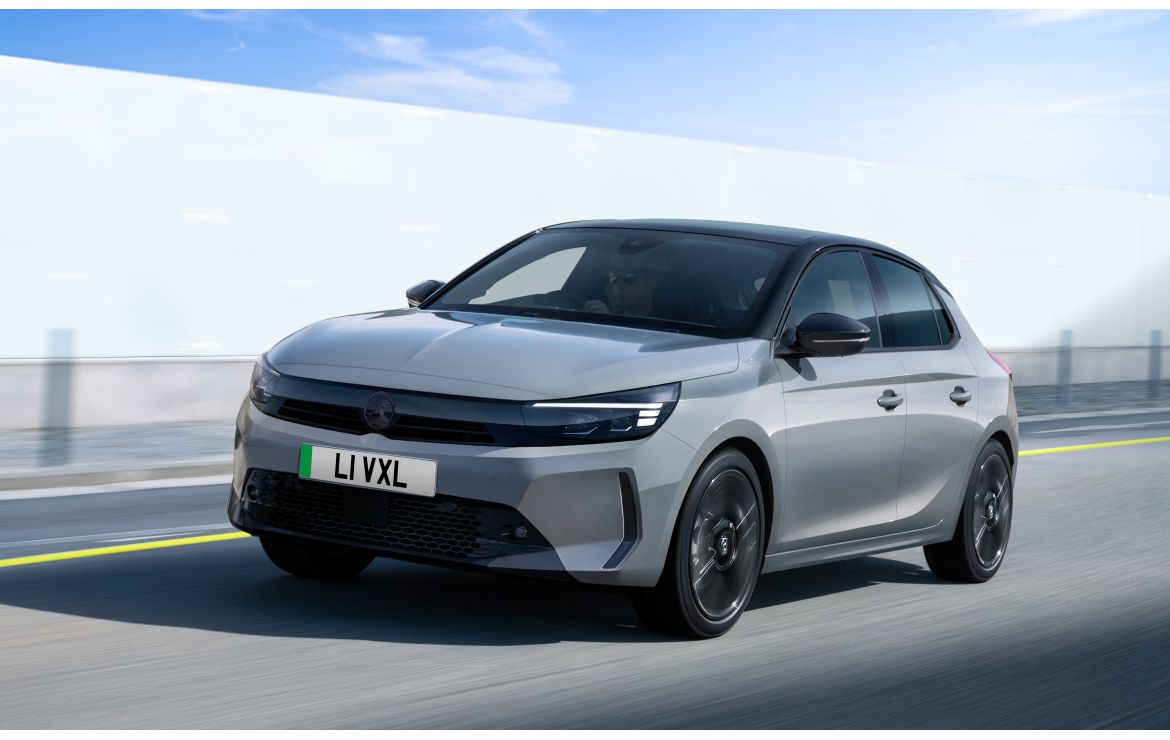 Vauxhall CorsaDurability record · exact model shown
The record at a glance
| Generation in hire supply | Corsa F (2019 on) — reviewed in our Corsa credit hire review |
|---|---|
| Owner-survey standing | 8th of 26 small cars; Vauxhall 5th of 30 brands (What Car? Reliability Survey) |
| Documented weak point | Wet timing belt on 1.2 PureTech petrol, 2019–2023 build; timing chain from 2023 |
| Recall record | 12 DVSA-listed campaigns; largest covers 26,315 cars (piston oil-supply nozzle, raised 19/02/2025) |
| Most-reported faults | Infotainment screens, digital-dashboard glitches, engine-management and stop-start warnings (What Car?) |
How the Corsa ages under hire duty
Hire duty compresses years of private motoring into months: many drivers, cold starts, short urban legs and no mechanical sympathy. The Corsa's response to that regime, on the public record, is a split personality. Its everyday fault profile is benign — the What Car? Reliability Survey places the 2019-on car in the top third of its class, with owner reports dominated by screens, dashboard software and warning lights that are irritating rather than immobilising. Its structural ageing question is different in kind: on 2019–2023 petrol cars the 1.2 PureTech engine drives its camshafts by a belt running inside the engine oil, and that belt degrades with age and use, shedding material into the oil circuit when it goes. The scale of the issue across the Stellantis group led the manufacturer to open a UK compensation portal in 2025 covering excessive oil consumption and premature belt failure on 1.0 and 1.2 PureTech engines (reported by Parkers and Fleet News), and to re-engineer the engine around a timing chain from 2023.
Faults by mileage band
Bands follow the Fleet Duty Rating structure. Every entry below is drawn from the attributed public record.
| Mileage band | What the public record shows |
|---|---|
| 0–30,000 miles | Owner-reported faults centre on infotainment screens, digital-dashboard glitches and stop-start battery-module warning lights, typically resolved with software or module work (What Car? Reliability Survey commentary). Recall work also lands early in life: the largest DVSA-listed campaign — inadequate oil supply from the piston cooling nozzle, 26,315 cars — was raised on 19/02/2025. |
| 30,000–60,000 miles | Engine-management and stop-start warnings remain the most-reported category, sometimes needing dealer diagnostics (What Car?). On 2019–2023 1.2 petrol cars the wet belt reaches its replacement deadline inside this band: Vauxhall's schedule is six years or 60,000 miles, whichever comes first (What Car? used-car guidance). |
| 60,000–100,000 miles | The wet belt is the record here. Past the change point, belt degradation can shed material into the oil circuit with engine-damaging results — the failure mode behind Stellantis's UK compensation portal for 1.0/1.2 PureTech engines (Parkers; Fleet News). A belt replaced on schedule removes the flag; nothing else in the owner data marks the Corsa out from its class. Ordinary ageing applies: across all cars, lamps, suspension and brakes head the DVSA's initial MOT failure categories. |
| 100,000+ miles | A six-figure Corsa stands or falls on its belt history — or sidesteps the question entirely with the 2023-on chain engine, whose own DVSA-listed record so far is a single small campaign for premature camshaft chain wear covering 972 cars (What Car? recall listing). Electrics remain the most-reported niggle category at any age. |
Wet belt or chain: the build-date split
2019–2023 cars carry the belt-in-oil 1.2 PureTech. The belt is a service item with a hard deadline — six years or 60,000 miles — and the engine's health is inseparable from whether that schedule has been honoured; the Stellantis compensation portal exists because, degraded, the belt can starve the oil system (Parkers; Fleet News). 2023-on cars use the third-generation 1.2 with a timing chain, in pure-petrol and 48-volt hybrid forms, closing the wet-belt chapter for newer build (What Car?).
What this means for the car you are handed
A hire Corsa is a fleet-maintained working vehicle: the belt schedule, recall completion and oil-quality checks that govern how this model ages are the supplying operator's obligations, not yours, and fleet cars are usually young enough that the wet-belt deadline sits with the fleet rather than the hirer. What the record means for you is simpler — the faults a hirer might actually meet in a Corsa are overwhelmingly software and sensor items, the kind that put a warning light on the dashboard rather than the car on a low-loader. The full picture of the model as a hire proposition is in the Corsa review, and the class context in small hatchback — what you will get.
Sources
- What Car? — Used Vauxhall Corsa (2019–present) reliability & common problems: survey placing, wet-belt schedule and full recall listing (whatcar.com).
- Parkers — Stellantis expands "wet belt" compensation portal to UK: affected 1.0/1.2 PureTech engines and models (parkers.co.uk).
- Fleet News — Stellantis opens wet belt compensation portal for UK customers (fleetnews.co.uk).
- DVSA vehicle recall database — Corsa F entries (check-vehicle-recalls.service.gov.uk).
- DVSA — MOT testing data for Great Britain: initial failure rates by defect category (gov.uk).
Next: Corsa credit hire review · small hatchback — what you will get · all durability records