Choosing a suitable credit hire vehicle
Published · Last updated
When an accident puts your car off the road, the natural thing to ask for is the same make, model or class. It is worth asking a different question first: what do you actually need to get about now, and which features are the ones you cannot manage without? A suitable replacement has to meet the real need, while taking account of what is available and what else you could reasonably use. An exact like-for-like car is not automatic. This page is the practical companion to what counts as a suitable replacement — not what suitability means, but how to work out your own need and get it written down before anyone puts a car in front of you.
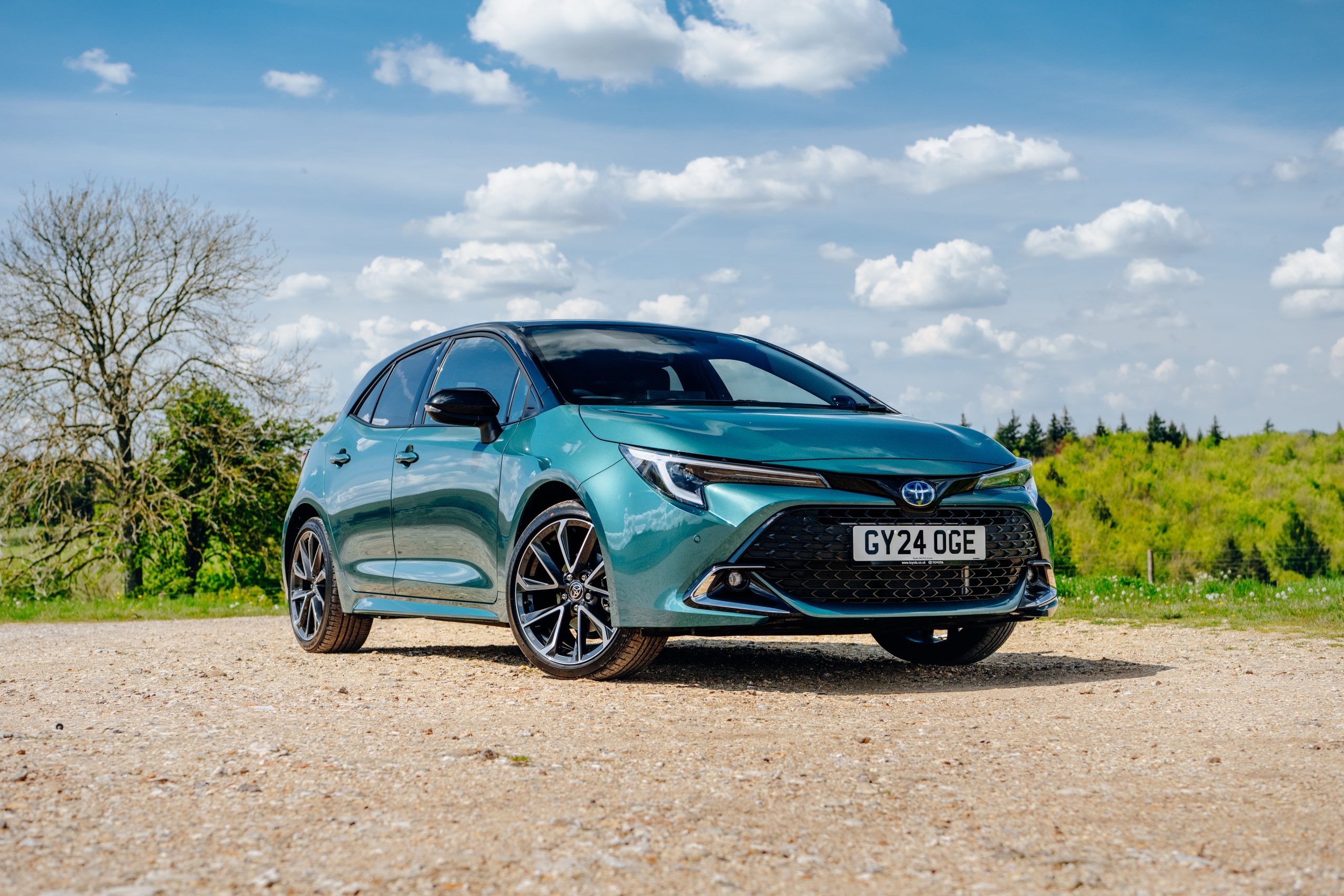 Toyota CorollaMedium hatchback example
- Write down what you need before the first phone call, not after something turns up.
- Keep “must have” separate from “would like”. Both are fair enough; only one decides suitability.
- The Financial Ombudsman Service says that when it looks at whether these services were suitable, it pays particular attention to the initial conversation you had about them (source checked 04/09/2026).
- A short written note is far easier to act on than asking for “the same car”.
- What you need can change part-way through a hire. Say so at the time, not at the end.
- What the words like-for-like, equivalent and or similar actually mean is set out on suitability.
Start with daily use
Before you describe a car, describe the life it has to fit around. Write down how your own car was normally used in the weeks before the accident, rather than how it was used on its busiest day. Include:
- commuting and working hours;
- school, care or medical journeys;
- regular passenger numbers;
- business equipment, tools or stock;
- towing or load requirements;
- accessibility needs;
- transmission type;
- any licences, permissions or specialist equipment required.
Then mark each line “must have” or “would like”. Heated seats may be a preference; approved dual controls may be essential for a driving instructor. Drawing that line is not giving ground — it is what makes the must-have half believable when somebody has to act on it.
Driving instructors
Note the lessons and tests affected, your normal teaching days, whether you teach in a manual or an automatic, the dual-control arrangement you need, and any tuition car you can already get hold of. A diary and a record of cancelled lessons explain the need far better than a description of the car does. They are evidence of how the car was used; they do not secure you a particular car or a particular outcome on the claim.
Vans and business vehicles
For a van or a specialist work vehicle, note the payload, load length, internal height, secure storage, any access restrictions on the routes you actually drive, and the kit you carry — racking and ply-lining included, if the job depends on them. Say which work is at risk and whether you have any stopgap. Try not to overstate it: one “must have” that turns out to be a nice-to-have weakens the lines that were true. What each work class covers is on van and LCV and taxi and private hire.
Family and accessibility needs
Note how many passengers you actually carry, which child-seat positions are in use, and the mobility equipment and accessibility features you genuinely rely on. If something smaller or different would not work, say why in practical terms — three child seats across one bench is a measurement, not an opinion. Adaptations belong at the top of the conversation rather than in a footnote, and they do not move from one car to another: that is covered in full on accessible and adapted vehicles.
Check what is written down, not just the keys
The car is only half of it. Whatever gets arranged, ask for it in writing before it arrives and keep your own copy with the note you made. On the car itself, the things worth having in writing are the class and specification being supplied, the mileage allowance, how fuel or charging is handled, who else is allowed to drive it, and how delivery and collection will work.
Where this page stops. The daily charge, how long the hire runs, who is expected to pay, and what happens if the at-fault side argues about any of it are claim questions rather than car questions. This site does not explain rates, hire length or recovery, and it does not assess anyone’s individual case. Ask the firm arranging the car to put its answers in writing, and take advice on your own position from your insurer or an appropriately regulated adviser.
Review the need as circumstances change
Neither the right car nor a reasonable length of hire is fixed at the start. A courtesy car might turn up. The repair might finish. A total-loss payment might land. You might get back to work in another vehicle. If what you need has changed, tell the firm that arranged the hire promptly, and ask when the hire ought to end — that answer belongs in writing as well. Leaving it until the end turns a straightforward fact into an argument about it.
A practical vehicle-need note
One page, five headings. Write it before the first phone call if you have time, and top it up as you go if you do not.
- 01Normal use
What the car did in an ordinary week, in plain sentences.
- 02Must-haves and nice-to-haves
Each feature marked as one or the other, with the reason on the same line.
- 03Days and journeys affected
Dated, with what you could not do on each of them.
- 04Alternatives offered or available
A spare car, a courtesy car, a works vehicle or public transport — and whether each was any use.
- 05Changes during the hire
Dated, including when you told the firm.
That short record does more for you than a vague request for “the same car”, and it takes less time to write than one phone call spent dredging the same facts up from memory.
Go on evidence of what you need, not on assumption. Keep the note with the written arrangement and with anything showing what transport you were offered. Nothing here is sent anywhere — it is a note you write and keep yourself.
This is information, not advice about your case. We are a vehicle publication. We do not assess individual circumstances, arrange vehicles, take enquiries or act for anyone. For advice about your own position, speak to your insurer or an appropriately regulated adviser.
Sources
- Financial Ombudsman Service — Credit hire and credit repair services following a “no-fault” accident, last updated 10/07/2026 (financial-ombudsman.org.uk). Used for two statements on this page. First, that an exact like-for-like vehicle is not automatic: the Ombudsman describes the hire vehicle as “normally a like-for-like replacement or similar”. Second, that when it decides whether these services were suitable it looks at the consumer’s individual circumstances and pays particular attention to the initial conversation about them.
The source above was opened and read on . Where a source could not be retrieved, that is stated rather than worked around. The full ledger is on sources and checking dates.